
Blog
Practical, physician-reviewed guides to surgical decisions, symptoms, medicines, and medical research. Explore the evidence, treatment tradeoffs, warning signs, and questions to discuss with your own care team.
-
Iron-Deficiency Anemia: When Do You Need Both an Upper Endoscopy and Colonoscopy?
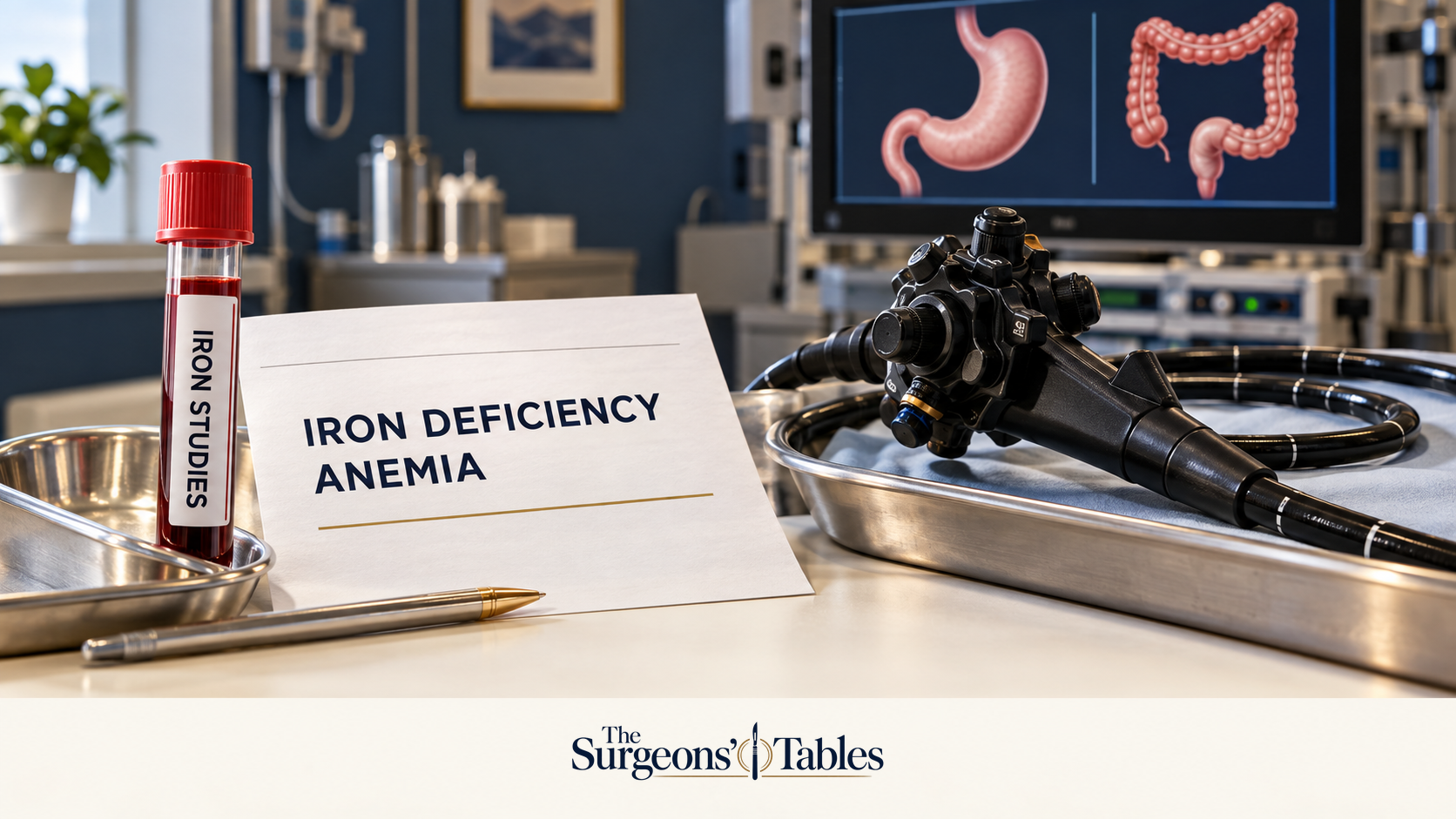
Iron pills can improve the blood count without explaining why iron was lost in the first place. For some adults, looking at both the upper and lower digestive tract is the safest next step; for others, age, menstrual bleeding, symptoms, and procedural risk change the decision. By J.Y. Jeong, MD Evidence reviewed through: September 21,…
-
Abdominal Aortic Aneurysm Screening: Who Needs the One-Time Ultrasound?

An abdominal aortic aneurysm can grow silently, yet screening everyone creates more testing without proven benefit. One group has a clear recommendation for a one-time ultrasound; for women, never-smokers, and people with family history, the answer depends on which U.S. guideline is being used. By M.J. Kim, MD Evidence reviewed through: September 21, 2026 Updated:…
-
IV Glutathione Recall 2026: Check These 6 Lots—and Know the Risks
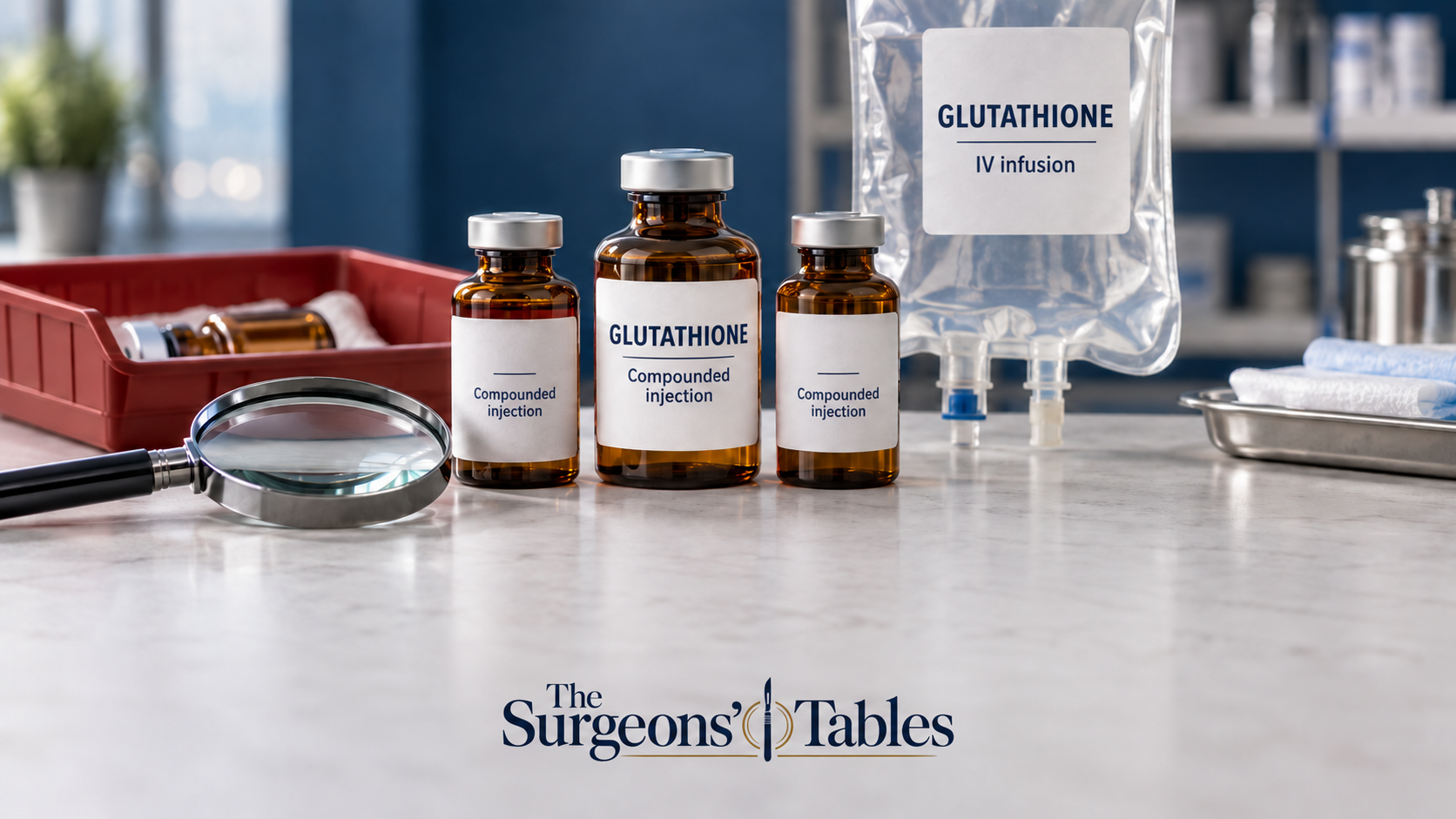
A “wellness” infusion can look routine until fever, chills, or chest pain begin afterward. The 2026 recall was not a ban on every glutathione product: it identified six compounded injectable lots, while also exposing a separate problem—the weak evidence behind many IV wellness claims. By M.J. Kim, MD Evidence reviewed through: September 21, 2026 Updated:…
-
IV Iron and Low Phosphate: What the 2026 FDA Boxed Warning Means

Hearing “boxed warning” before an infusion can make IV iron sound dangerous as a whole. The FDA warning is narrower: it concerns ferric carboxymaltose, a specific low-phosphate risk, and the patients and repeat doses that need closer monitoring. By M.J. Kim, MD Evidence reviewed through: September 21, 2026 Updated: October 1, 2026 At a Glance…
-
Why Does Bread Feel Easier to Digest in Europe? What the Evidence Actually Shows

Why can bread feel easier to digest in Europe? See what evidence says about gluten, fructans, sourdough, celiac disease, wheat and glyphosate claims.
-
Inguinal Hernia: Do You Need Surgery Now—or Can It Wait?
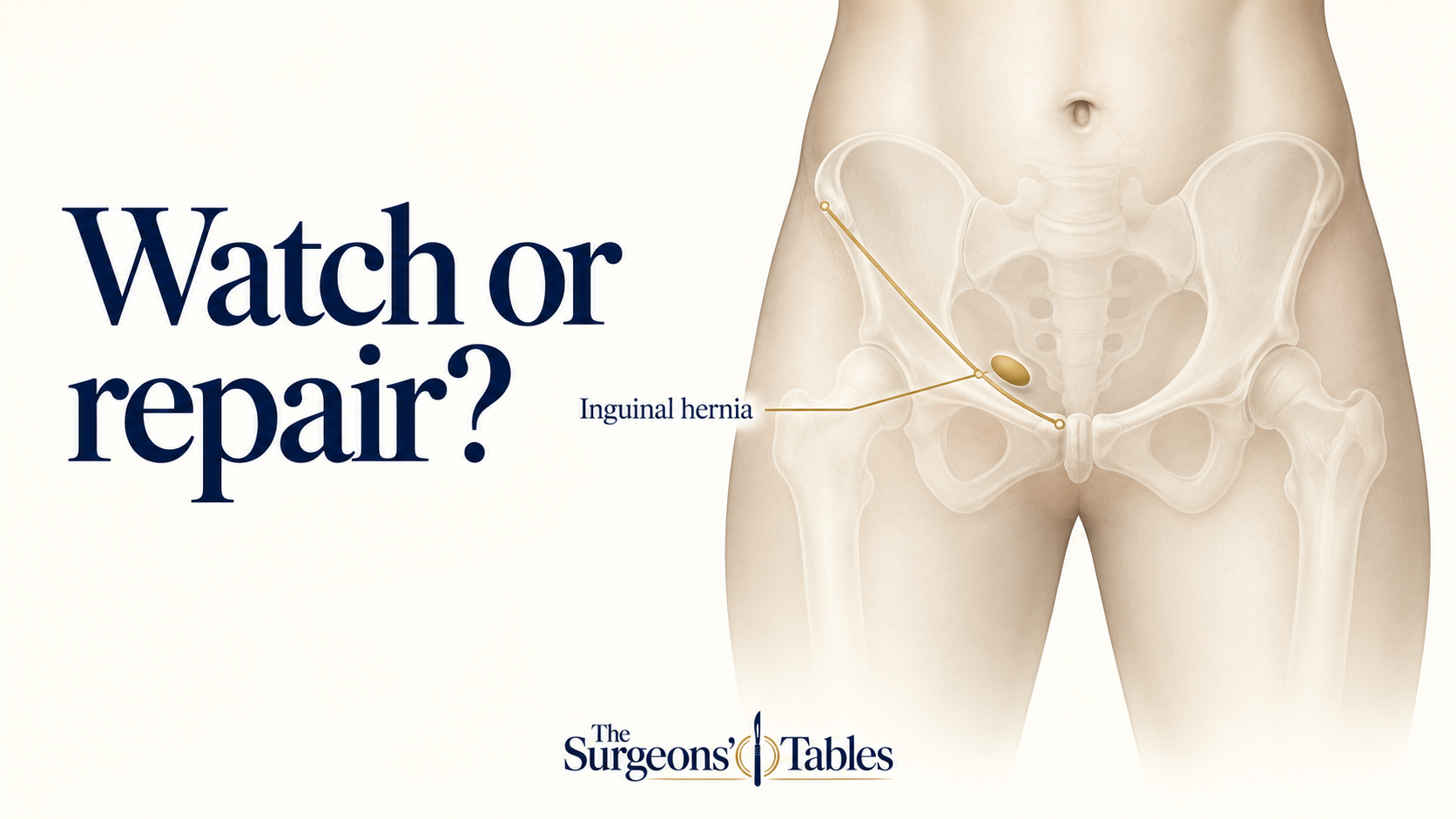
When can an inguinal hernia wait? Compare observation, repair, and mesh decisions, including the limits of long-term trial evidence.
-
NPO After Midnight: Taking Your Morning Medications Before Surgery
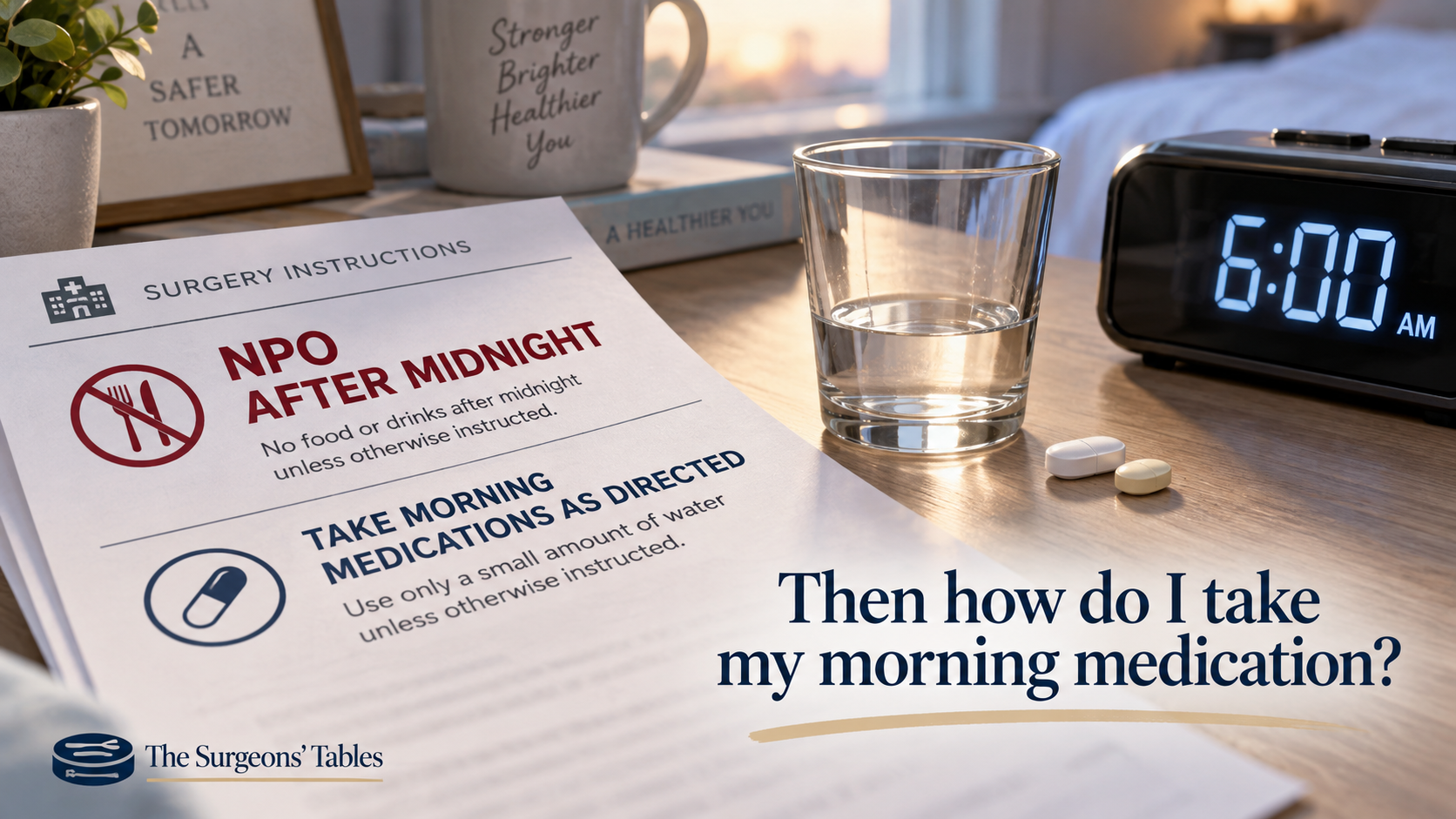
“Nothing after midnight” and “take your morning medications” can sound like opposite instructions. They are not necessarily contradictory – because food, clear liquids, medications, and individual aspiration risk are not treated as the same thing before anesthesia. By M.J. Kim, MD Evidence reviewed through: September 14, 2026 Updated: October 1, 2026 At a Glance “NPO…
-
Your Carotid Artery Is 80% Blocked. Does That Mean You Need Surgery?
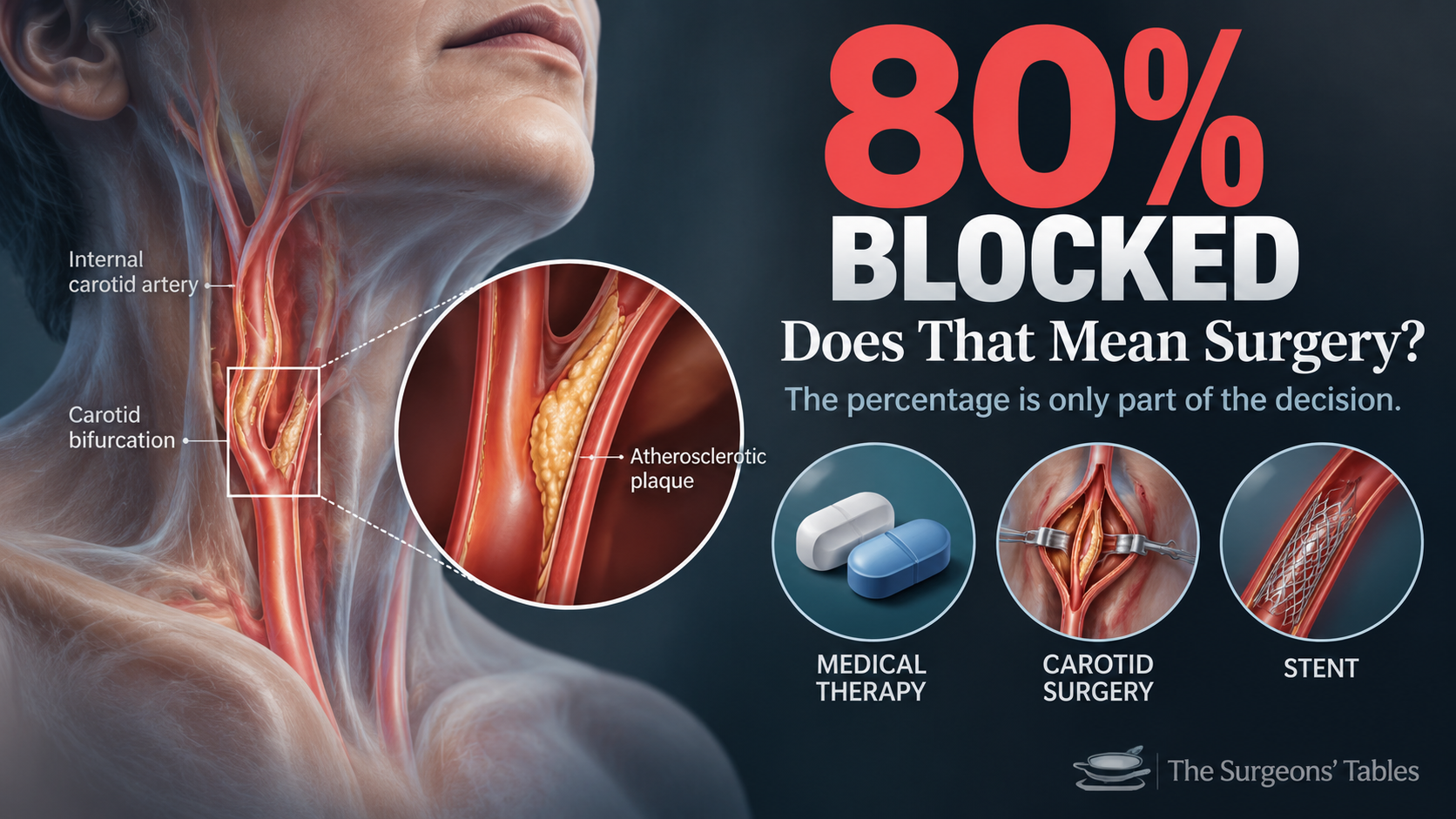
An 80% carotid stenosis sounds like an emergency waiting to happen. If you have never had a stroke or TIA, however, the percentage is only the beginning of the decision – not the end. By M.J. Kim, MD Evidence reviewed through: September 14, 2026 Updated: October 1, 2026 At a Glance An asymptomatic 80% carotid…
-
Is Your Puffy Face Really From Cortisol? The Viral Claim vs. the Medical Reality

Social media says facial puffiness, belly fat, fatigue, and poor sleep may mean your cortisol is too high. Here is what your face can actually tell you – and what it cannot. By M.J. Kim, MD Evidence reviewed through: September 9, 2026 Updated: October 1, 2026 At a Glance “Cortisol face” is not a medical…
-
Blood Thinners Before Surgery: When to Stop and Who Needs Bridging
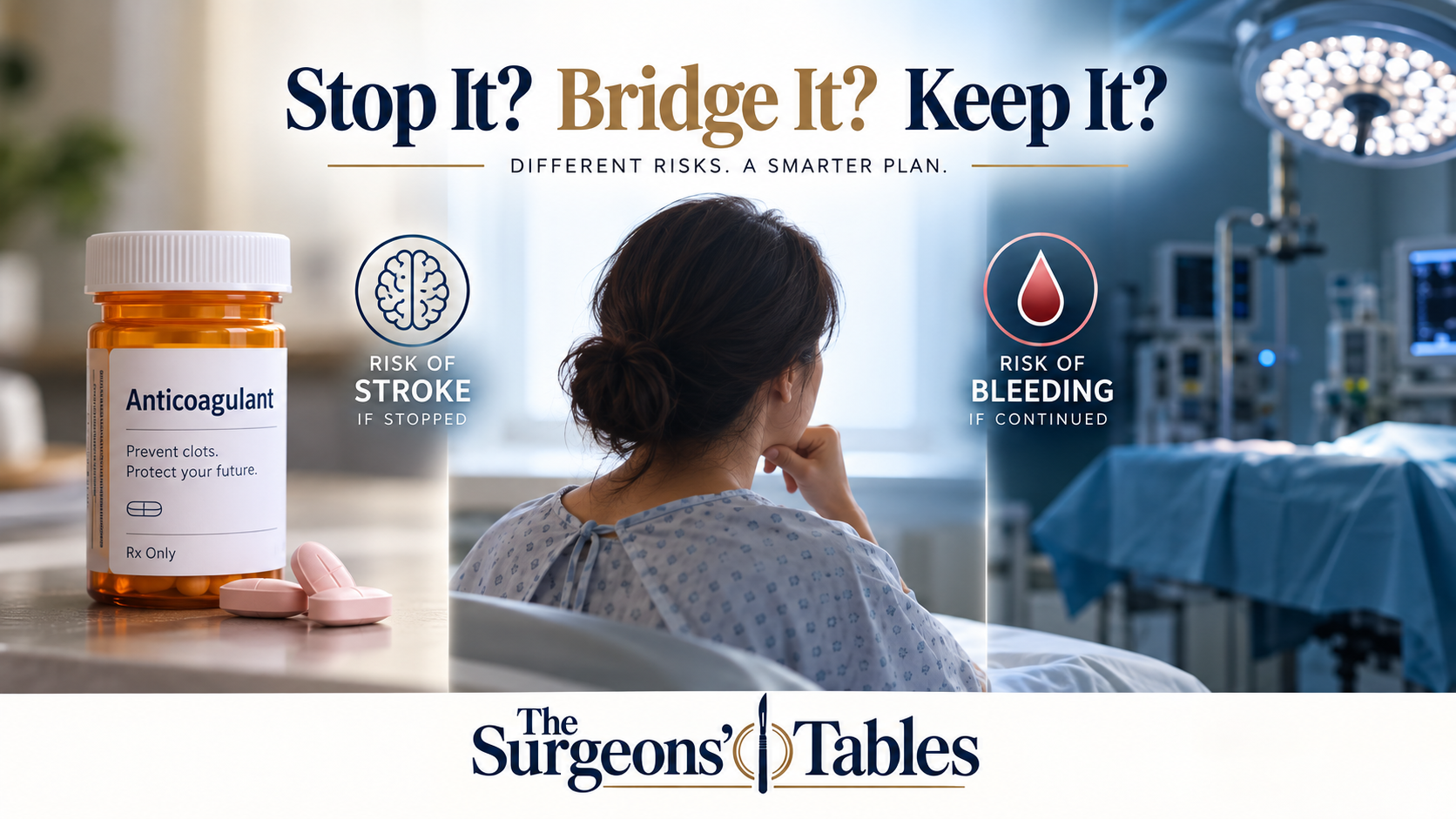
For most people with atrial fibrillation, a short interruption of anticoagulation before surgery does not mean they need “bridge” injections. The harder question is deciding who is an exception – and when it is safe to restart. By M.J. Kim, MD Evidence reviewed through: September 9, 2026 Updated: October 1, 2026 At a Glance Most…